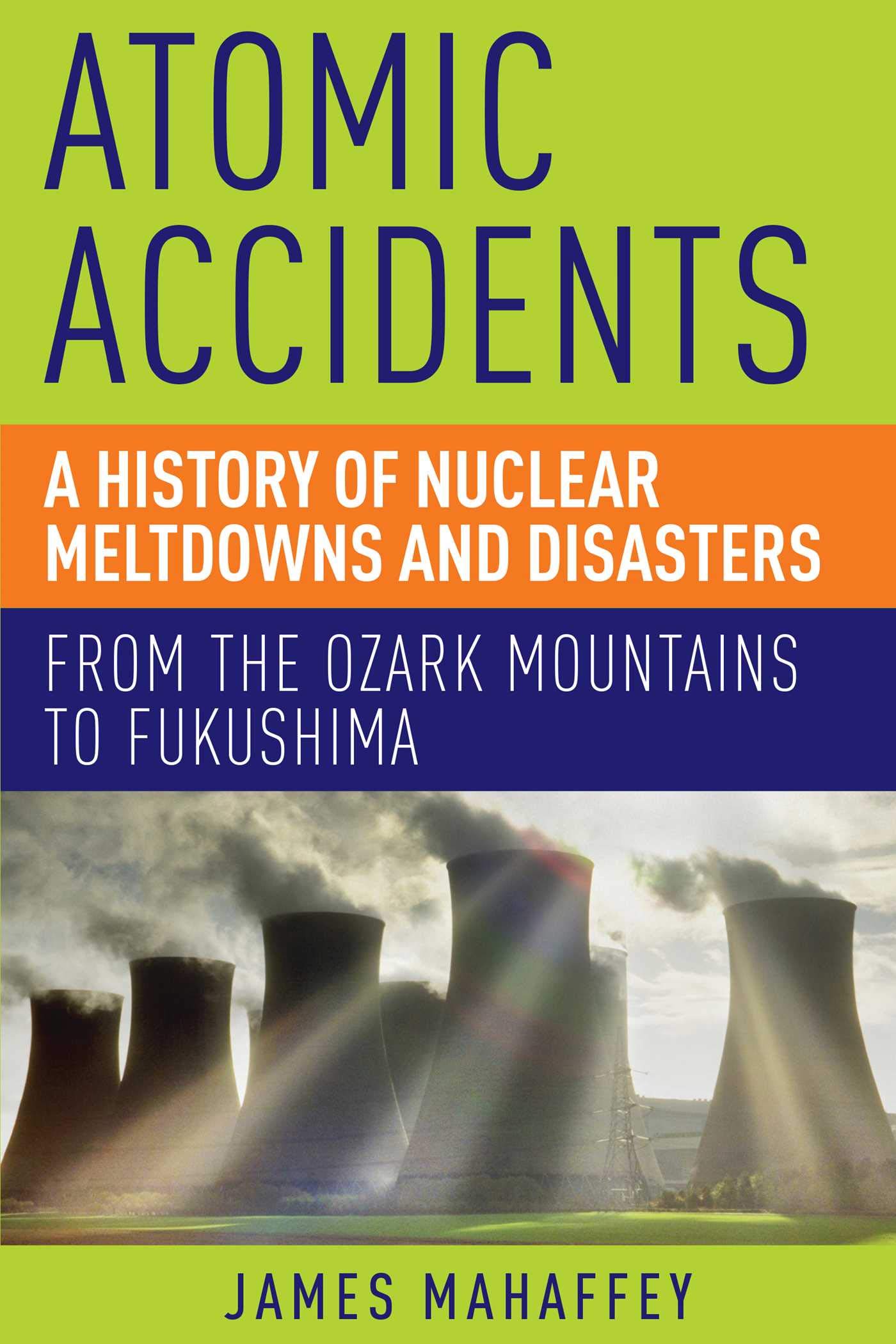
Atomic Accidents
ISBN: 1605986801
Found in 3 comments on Hacker News
We may earn a commission from purchases made through links on this page.
Not ready yet? Get weekly book picks.
jdthomas
· 2015-04-22
·
Original thread
Sort of related to this post; I recently read Atomic Accidents: A History of Nuclear Meltdowns and Disasters: From the Ozark Mountains to Fukushima [0]. I was not expecting much from the book, but it turned out to be FANTASTIC, would highly recommend if you have any interest in nuclear accidents or nuclear energy in general; I learned a lot from reading it.
[0] http://www.amazon.com/dp/1605986801/
edit: formatting
andreasvc
· 2015-04-09
·
Original thread
Atomic Accidents - A History of Nuclear Meltdowns and Disasters, by James Mahaffey. http://www.amazon.com/Atomic-Accidents-Meltdowns-Disasters-M...
Get the best books from Hacker News each week
Join 4,500+ subscribers and get the best books mentioned on Hacker News every Thursday.

Interestingly I came away from a book about atomic disasters being pretty pro nuclear, at least more so than I was before reading the book. Here are my main take aways:
- The US needs to start back up the waste reprocessing program. Jimmy Carter banned this in the hopes of setting a good example for other countries (one of the byproducts being plutonium). But everyone else continues to process nuclear waste except for the US and it just makes the waste storage problem that much harder. 95% of the fuel that comes out of a rector is harmless U-238. We should only be burying a tiny fraction of what we currently bury.
- We need to start innovating beyond PWR and BWR reactors. Things like liquid metal fuel reactors have the nice property of not having to worry about them melting down because they are already melted.