https://www.amazon.com/Going-Postal-Rebellion-Workplaces-Col...
a good read through. Many, many facets of labor relations didn't change one iota from far before WWII. There's an elitism inherent in American culture that is just a right pain in the arse to shake off.
Take Ames dumping on Reagan with a grain of salt, but he does a fantastic job of extending the line of labor relations culture quite a ways back beyond merely WWII. Though I won't argue that things got very turbid around that time specifically because of the perceived existential threat the War created.
I still maintain, however, that no matter how unpopular labor movements were at the time, that they dug in was still an invaluable act of civic courage. It is at such times that resistance is most important, as the majority is all too eager to turn a blind eye to the suffering they have wrought.
(Thanks for the recommendation in any case.)
[0] https://www.amazon.com/Going-Postal-Rebellion-Workplaces-Col...
Get the best books from Hacker News each week
Join 4,500+ subscribers and get the best books mentioned on Hacker News every Thursday.

Welch wasn't a problem until what he feared, backlash from people who had been around for the last cycle of cruelty precipitated by his ideas, sufficiently died/attritioned out.
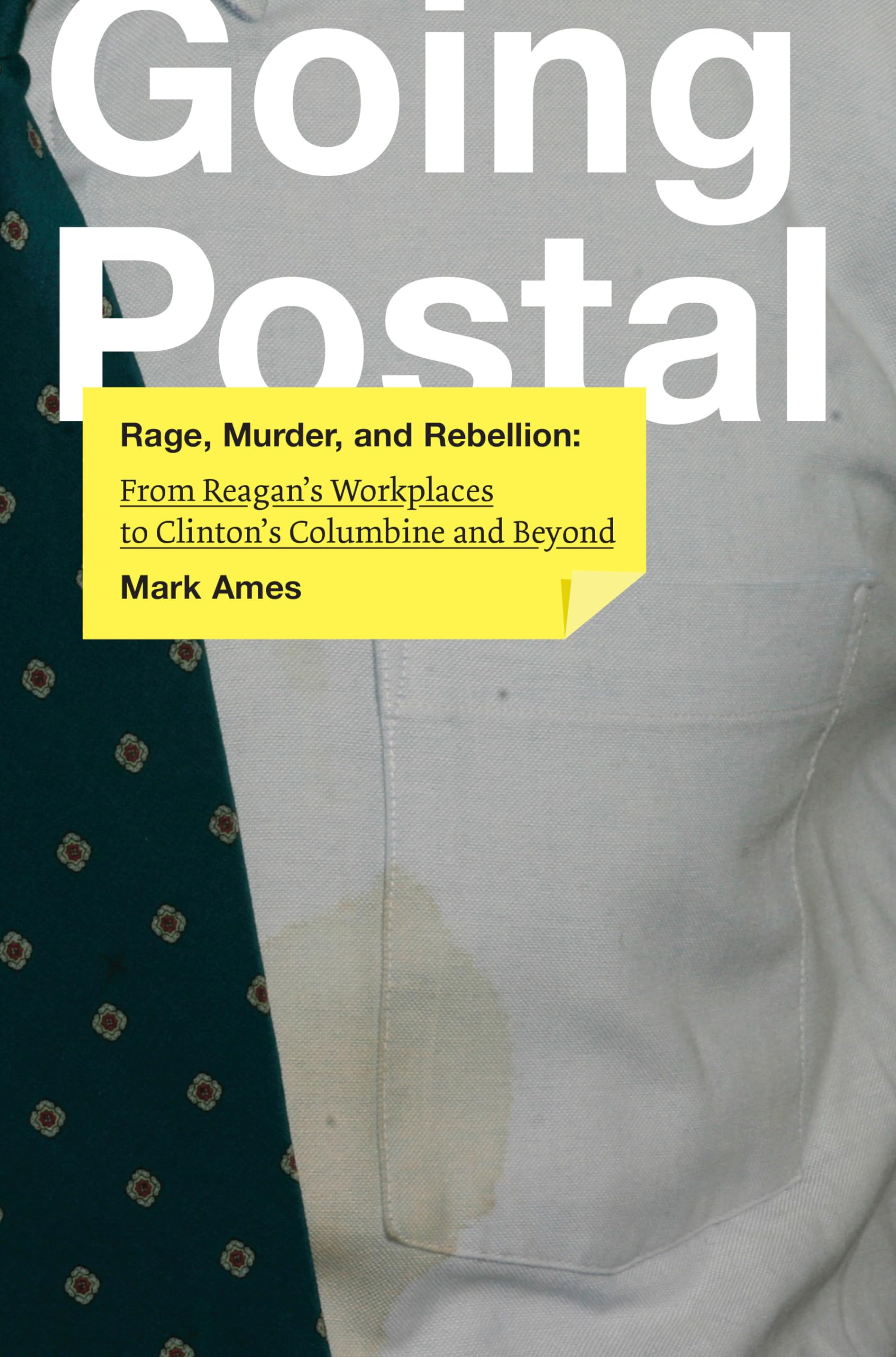
Give Going Postal: Rage, Murder, and Rebellion: From Reagan's Workplaces to Clinton's Columbine and Beyond by Mark Ames a read.
He does an excellent job at laying out the pedigree of thought from slave/plantation management to modern American management theory, and charting out the trends and consequences that arise from political shifts in the equilibrium between capital and labor.
https://www.amazon.com/Going-Postal-Rebellion-Workplaces-Col...