It's about investigating airplane crashes, and in particular two different paradigms for understanding failure. It deeply changed how I think and talk about software bugs, and especially how I do retrospectives. I strongly recommend it.
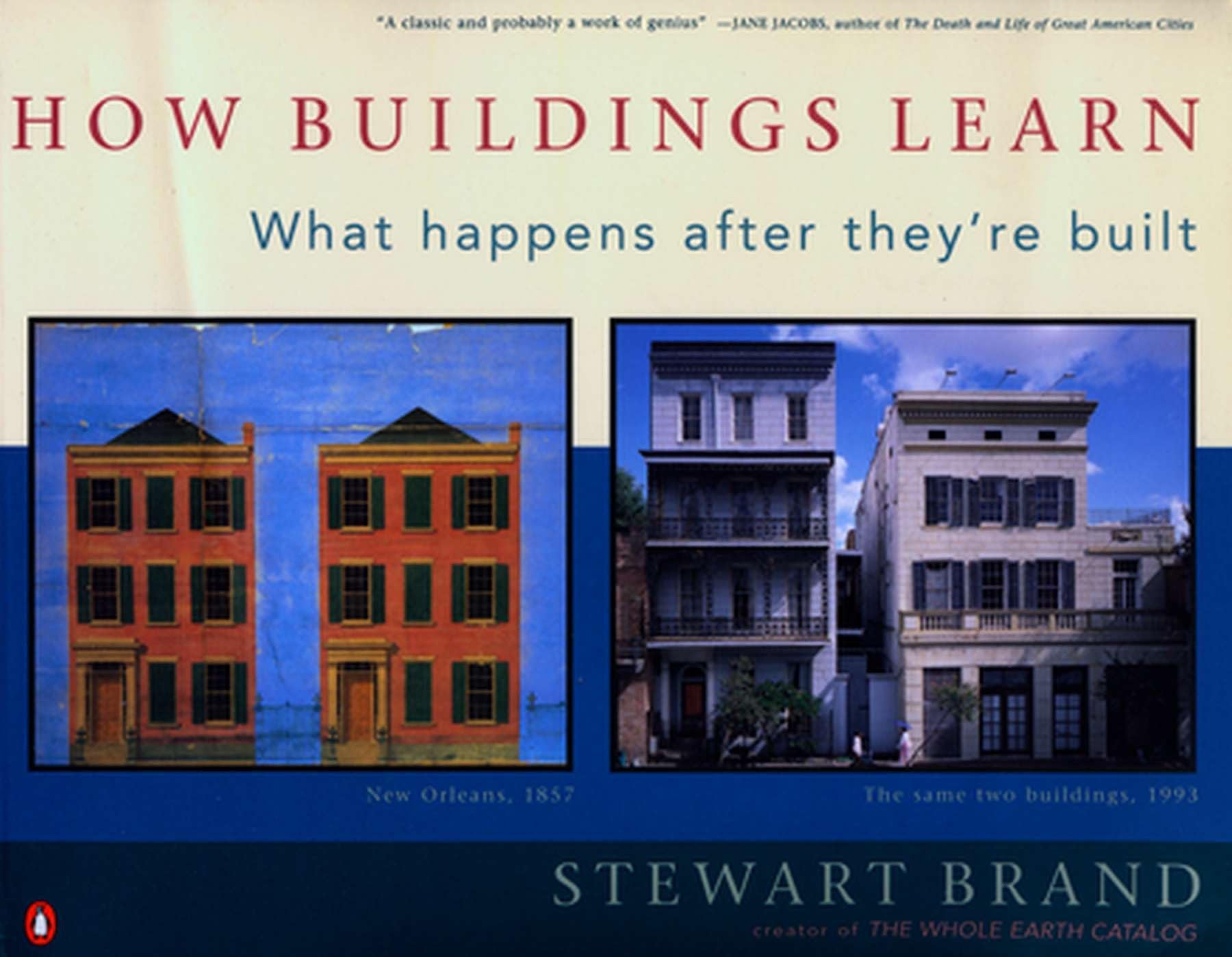
And the article made me think of Stewart Brand's "How Buildings Learn": https://www.amazon.com/dp/0140139966
It changed my view of a building from a static thing to a dynamic system, changing over time.
The BBC later turned it into a 6-part series, which I haven't seen, but which the author put up on YouTube, starting here: https://www.youtube.com/watch?v=AvEqfg2sIH0
I especially like that in the comments he writes: "Anybody is welcome to use anything from this series in any way they like. Please don’t bug me with requests for permission. Hack away. Do credit the BBC, who put considerable time and talent into the project."
Too true. Anyone interested in this topic should check out "How Buildings Learn". Well worth reading: https://www.amazon.com/How-Buildings-Learn-Happens-Theyre/dp...
Also made into a 6-part TV series by the BBC: http://www.openculture.com/2015/07/watch-stewart-brands-6-pa...
Stuart Brand's "How Buildings Learn" also provides some theoretical background on buildings as infrastructure and can inform how a property may be improved with an eye to the future.
https://en.wikipedia.org/wiki/How_Buildings_Learn
http://www.amazon.com/How-Buildings-Learn-Happens-Theyre/dp/...
There's a whole video series as well, this segment discusses the advantages of loose zoning at the docks in Sausalito:
In software engineering there are still rigorous requirements in fields that run software on other planets or in medical systems, but there's software with looser requirements as well.
The best metaphor I've encountered for the wide variety of software engineering was a talk that covered the book "How Buildings Learn" http://www.amazon.com/How-Buildings-Learn/dp/0140139966 -- there are structures that favor adaptability, and others that favor rigor, but that doesn't mean that structural engineering doesn't happen on one end of the continuum compared to the other.
(To be fair, there are rigorous forms of writing, too, but I think restricting the analogy to only novels is too narrow to be effective.)
Yes. Stewart Brand should need no introduction to readers of HN for his many influences on high-tech industry, but I'm always telling friends about How Buildings Learn: What Happens After They're Built,
http://www.amazon.com/How-Buildings-Learn-Happens-Theyre/dp/...
especially friends who study architecture.
Get the best books from Hacker News each week
Join 4,500+ subscribers and get the best books mentioned on Hacker News every Thursday.

https://www.amazon.com/How-Buildings-Learn-Happens-Theyre/dp...