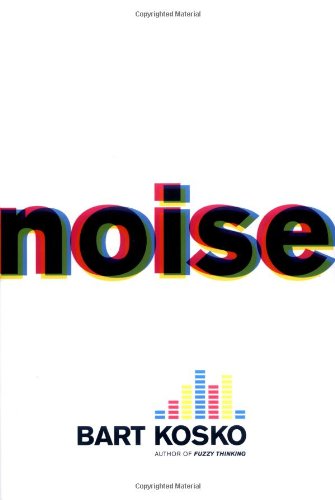
Noise
ISBN: 0670034959
Found in 1 comment on Hacker News
We may earn a commission from purchases made through links on this page.
Not ready yet? Get weekly book picks.
Get the best books from Hacker News each week
Join 4,500+ subscribers and get the best books mentioned on Hacker News every Thursday.

I generally try hard to remove bias/noise from data before analyzing it, but I also add noise back in later on... e.g. jittering data for plots, or putting a noise feature into a model to establish a threshold for useless features. I'm also a bit miffed that I had to discover this all on my own... Noise is useful and interesting! In business-oriented analysis, noise can be even more important, since changes in "data noise" can indicate important changes in business patterns, or problems with how they're collecting data (companies seldom share this information with analysts beforehand). I'd go so far as to say that understanding the noise in a dataset is the primary concern for most of my analyses these days.
Here's a good book with more pop-sci noise examples: https://www.amazon.com/Noise-Bart-Kosko/dp/0670034959