There are basically two kinds of Internet use that young people engage in -- hanging out with friends, and teaching themselves new skills.
The vast majority of young people though are mostly using the Internet to hang out with friends. The exception is apparently affluent white males, who have much higher rates of using the Internet to explore new ideas and teach themselves new skills. This is called the 'participation gap.' (It's perhaps also partly why, for example, there are more male entrepreneurs even though women do better in formal education.)
The important thing to note is that decisions about what to use the Internet for have a lot to do with who you are following in your social networks. E.g. this determines what new interests you're likely to discover, what opportunities are made available to you, etc.
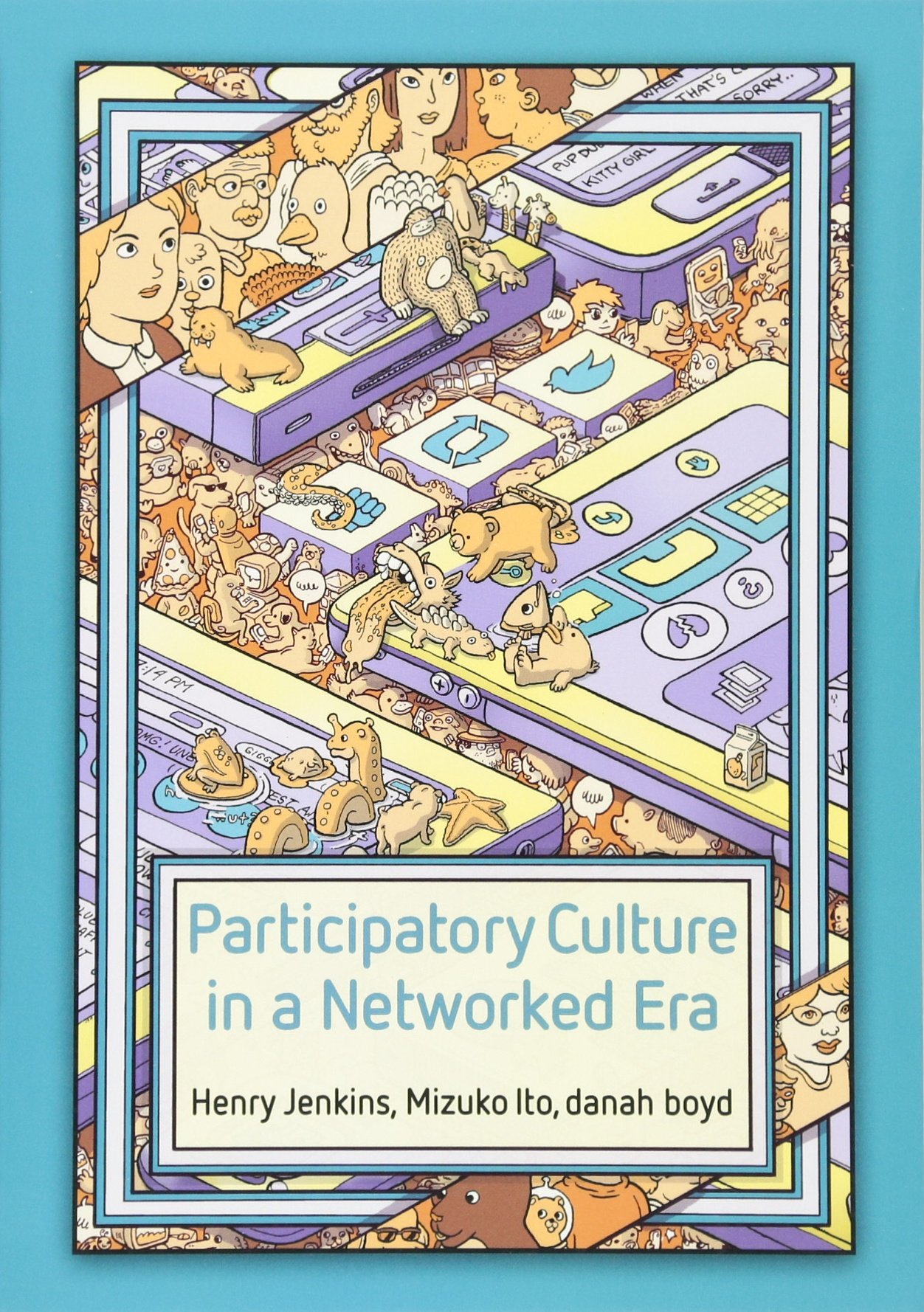
source: http://www.amazon.com/Participatory-Culture-Networked-Era-Co...
http://www.amazon.com/Participatory-Culture-Networked-Era-Co...
It's actually pretty interesting so far. The premise is basically back in the 90s many/most early adopters of the Internet (including myself) thought it was going to bring all sorts of beneficial changes to society. This obviously hasn't entirely happened, so it's looking at the state of what's changed, what hasn't, why, what's likely to happen in the future, etc. And it's written as a conversation between the three authors on various questions, which is interesting because each has a slightly different research speciality -- henry is most famous for his work on participatory culture, mimi is most famous for her ethnography of japan, and danah probably most famous for her work on social software and subcultures/outgroups.
A lot of the book is looking at community culture vs corporate culture vs internet culture, and specifically how the web got corporatized or whatever. It's also looking at youth use of social software, especially in the context of the U.S. where kids have very little in the way of autonomy, rights, or freedom to participate in public organizations. (This is where the video gaming stuff comes in.)
Get the best books from Hacker News each week
Join 4,500+ subscribers and get the best books mentioned on Hacker News every Thursday.

That said I've been enjoying this book a lot, and two of the three authors are female:
http://www.amazon.com/Participatory-Culture-Networked-Era-Co...
I'd say it's just one piece of a larger body of literature on these issues rather than the definitive work that stands on its own, but it's also the kind of thing where when you look at the list of authors and the subject matter then the burden of proof is on you to justify not reading it.