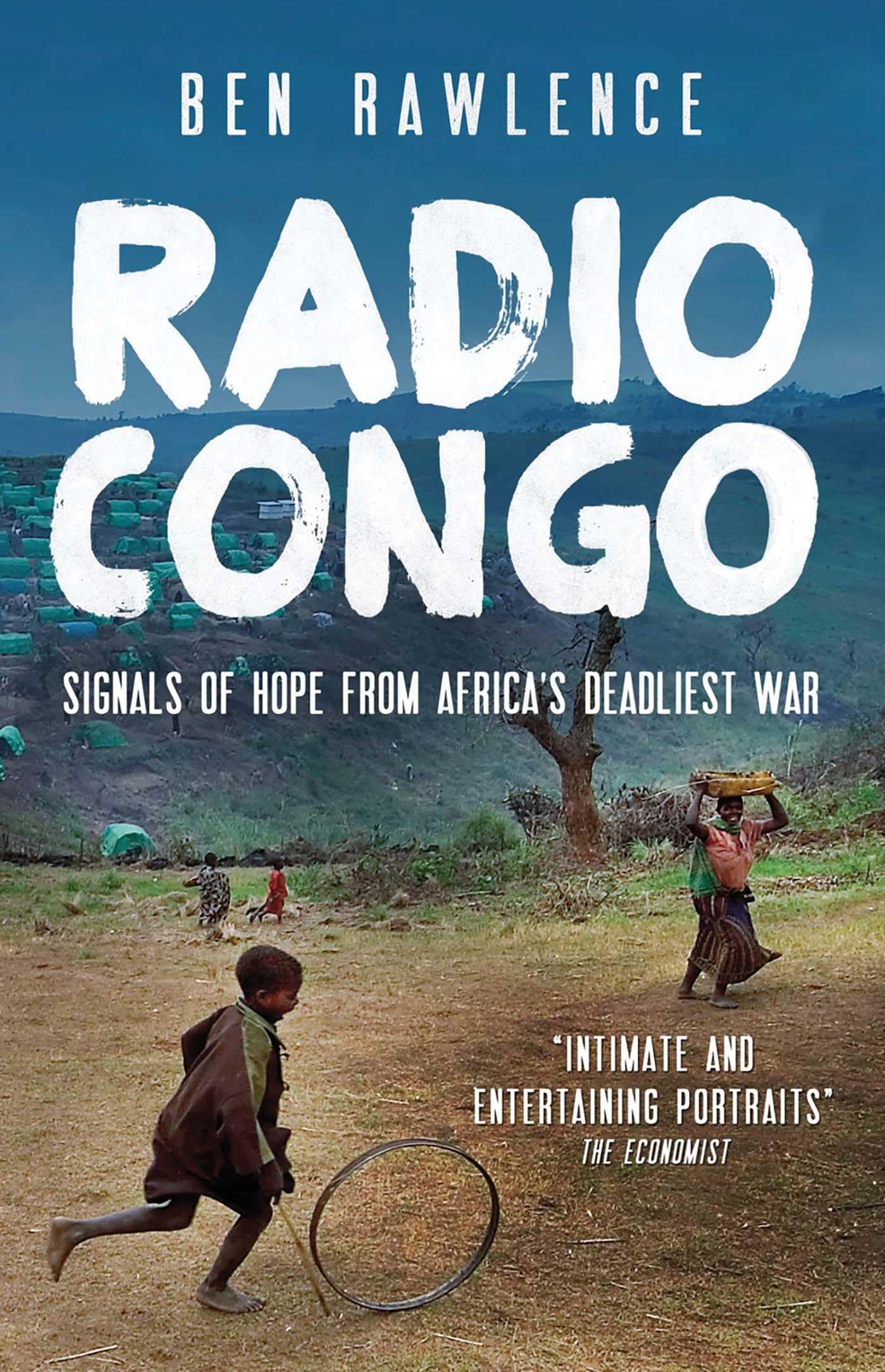
Radio Congo: Signals of Hope from Africa's Deadliest War
ISBN: 1851689656
Found in 1 comment on Hacker News
We may earn a commission from purchases made through links on this page.
Not ready yet? Get weekly book picks.
Get the best books from Hacker News each week
Join 4,500+ subscribers and get the best books mentioned on Hacker News every Thursday.

One is logistics: a program to reach everybody unlocks some economies of scale. Much of the cost of these programs is just getting supplies and people to all of these remote villages with impassable roads, the occasional corrupt official or militia, etc.[1] Some of that is effectively fixed cost, and doesn't vary much whether you have two boxes of deworming pills in the back of your truck or 20. The cost per person is lower if you can amortize those fixed costs across everyone.
The other is that sometimes active encouragement is worth it. Even rich countries have policies to try and get folks to vaccinate and for other health goals like getting people off cigarettes or fighting obesity. In poor countries there are two further reasons a push could help: there's not enough accurate, trusted medical info (not even high school bio for everyone; that's part of how "traditional healers" survive), and the cost of a vaccine feels a lot higher.[2]
All that said, I get the frustration that there are so many big problems aid like this _doesn't_ directly help with. There's partly just a problem of scale--you need a lot more resources (whether investment or aid or what) to deal with the lack of infrastructure, etc. But I do think in the meantime, the science and to some extent plain old arithmetic indicate that basic health programs are still doing a ton of good.
[1] Digression, but if you want to read about what it's like to take the long way to a remote old tin mining town in the DRC, http://www.amazon.com/dp/1851689656/ is amazing
[2] Same thing was said, perhaps better, by http://www.quora.com/Development-Practice/Are-bednets-really...