The Culture Cult: Designer Tribalism And Other Essays
ISBN: 0813338638
Found in 1 comment on Hacker News
We may earn a commission from purchases made through links on this page.
Not ready yet? Get weekly book picks.
Get the best books from Hacker News each week
Join 4,500+ subscribers and get the best books mentioned on Hacker News every Thursday.

At the beginning, the tone is something like "we live in a great society, where wondrous things are possible, but we have problems"
At the end, the tone is something like "Progress hurts us. It is better to avoid modernity in its entirity"
Of course, the second statement is never fully fleshed out: to do so would show the many problems it has.
Everybody dreams of a simple world, living close to nature, part of a community and practicing a long-lasting culture. To see a native people in the South Pacific go from fishing to Big Macs and spam in a generation is ascetically displeasing.
But remember: the average life expectancy of an Afghan is 39 years. These supposedly fit and healthy societies had entire generations that never saw the age of 50.
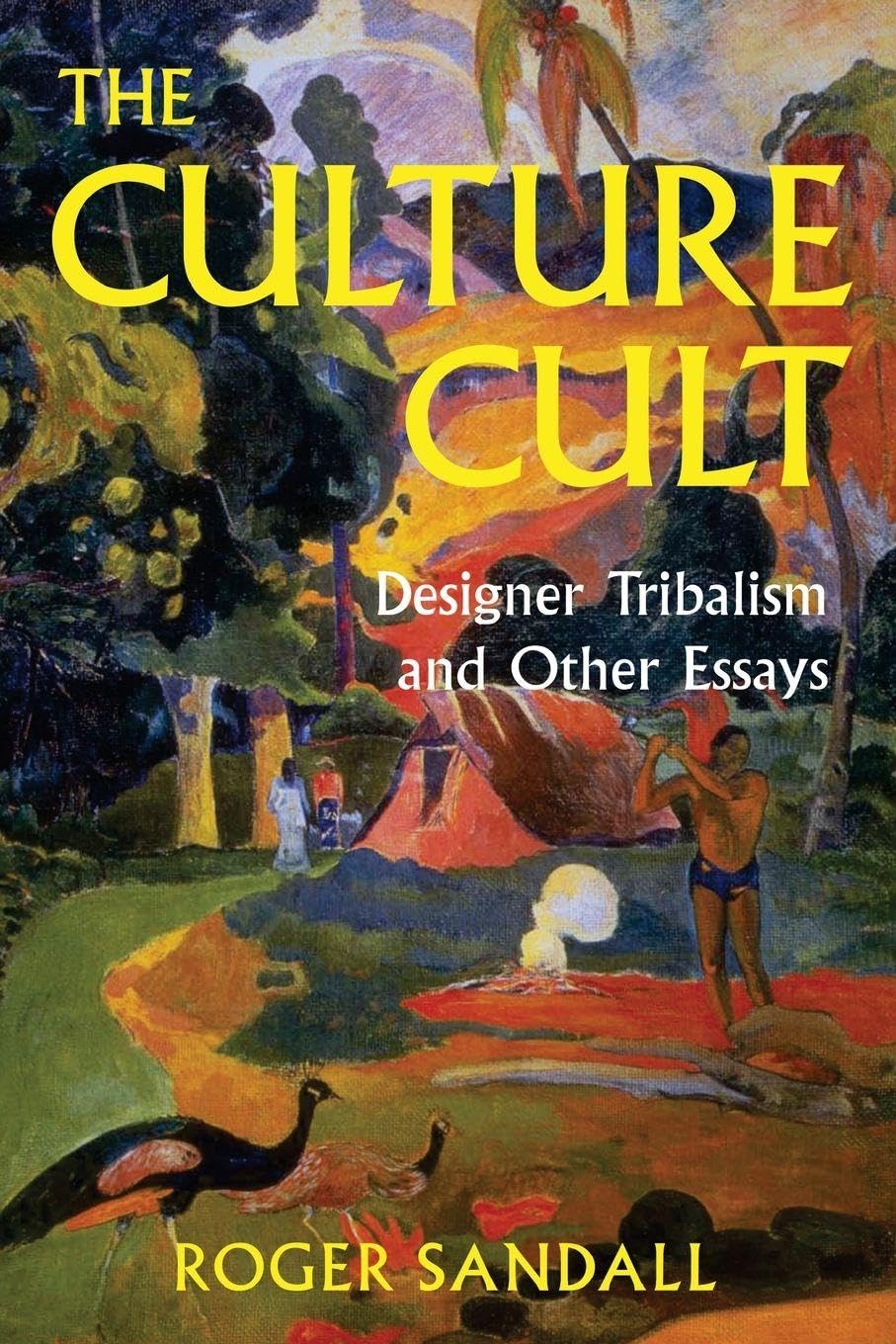
I used to be a big fan of a certain culture -- until I read modern doctor's accounts of members of that culture who relied on traditional remedies instead of modern medicine. I used to be a big fan of going back to some of the old ways of primitive peoples -- until I read "Culture cult" (A must-read if you are interested in this sort of thing) http://www.amazon.com/gp/product/0813338638?ie=UTF8&tag=...
The fact is -- it's never a simple comparison. You can pick and choose and make the case that such ways of living are better -- or you can do the same thing to make the case they are worse. Doctors can tell you horrific stories about all sorts of cultures and societies. The grass is always greener on the other side of the fence, that is, we always think the other culture or way of life is better. Many times it is not.
I am a firm believer that some trade-offs are better for societies than others. It's not all just the same. And these are extremely serious health issues. I do not mean to make light of them at all. Perhaps we can learn some lessons from more traditional societies that we can apply. But we need to be very careful about when performing such analysis that we don't step over the line from selecting good things to frank prejudice towards any sort of traditional or primitive society. We romanticize peoples instead of looking at them the way they really are. It's a feel-good thing, sure, but our feelings rarely match up to the actual state of things, no matter how many good essays like this we read. (And this was a great essay)