Even setting aside crimes, there's plenty of things that happen in peoples' day-to-day lives that the government has absolutely no business even being aware of. It's not hard to imagine that they could collect vast troves of information on a person and then that information can get misused in any number of ways by rogue employees or by the government itself.
[1] http://www.amazon.com/Three-Felonies-Day-Target-Innocent/dp/...
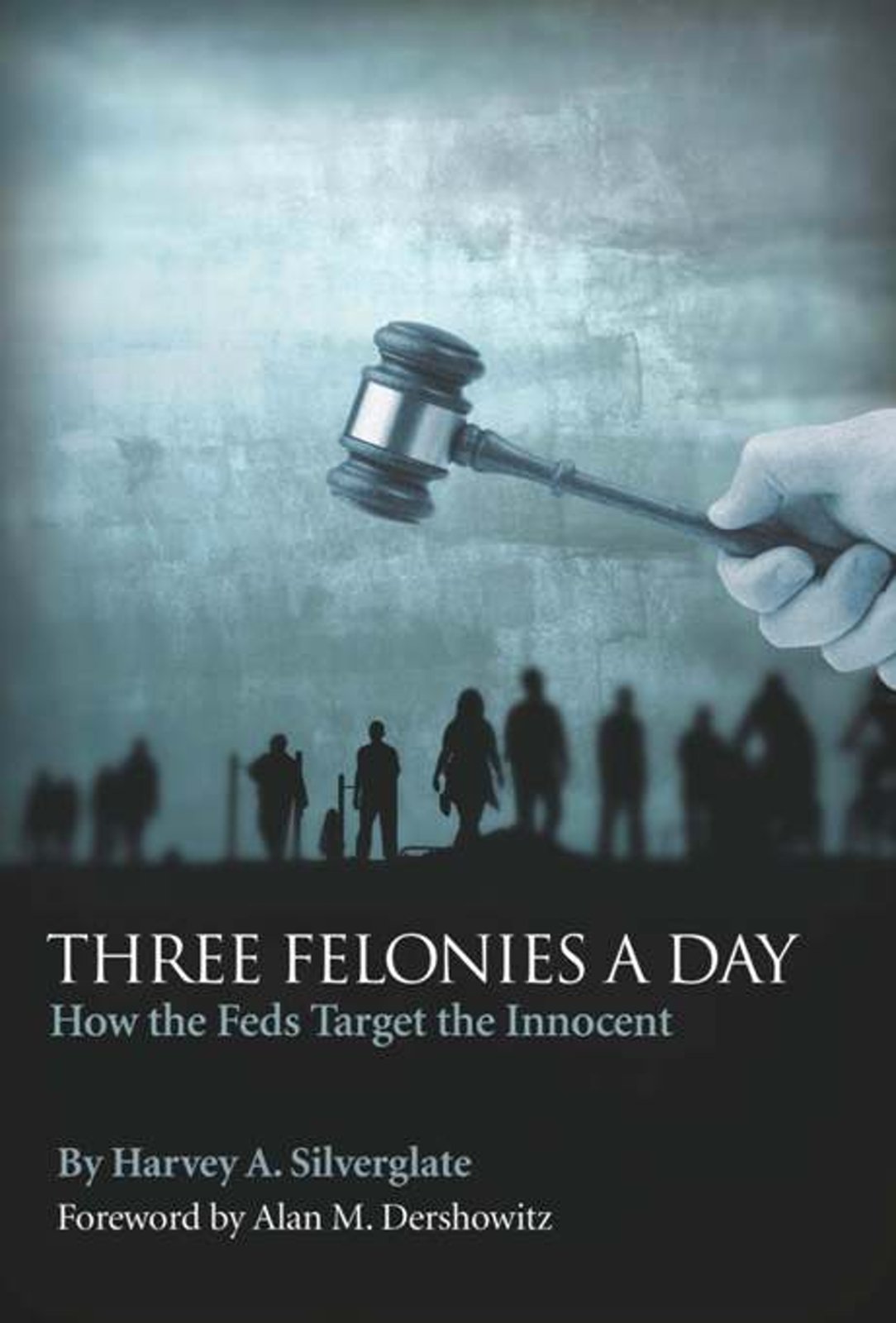
Also, were they talking about the serious traditional felonies, vs. the Three Felonies a Day (http://www.amazon.com/Three-Felonies-Day-Target-Innocent/dp/...) that as the book description puts it, "The average professional in this country wakes up in the morning, goes to work, comes home, eats dinner, and then goes to sleep, unaware that he or she has likely committed several federal crimes that day." ?
As for the preamble, it was a sop (in modern political terms, a blessed compromise) thrown to those who preferred militias to regulars; they lost that argument in the Constitution (Article I, Section 8: "The Congress shall have Power ... To raise and support Armies...), in large part to the opinions of those like George Washington, who's professional opinion on this had particular weight.
He was again the indispensable man, without his influence the 1787 Constitution would have been a non-starter, but that said, the Bill of Rights was a condition by the Anti-Federalists for accepting it.
And in turn the Federalists were right when they said the Bill of Rights would just end up establishing high maximums to Federal power, as you acknowledge in your last sentence.
Get the best books from Hacker News each week
Join 4,500+ subscribers and get the best books mentioned on Hacker News every Thursday.

[1] - https://www.amazon.com/Three-Felonies-Day-Target-Innocent/dp...