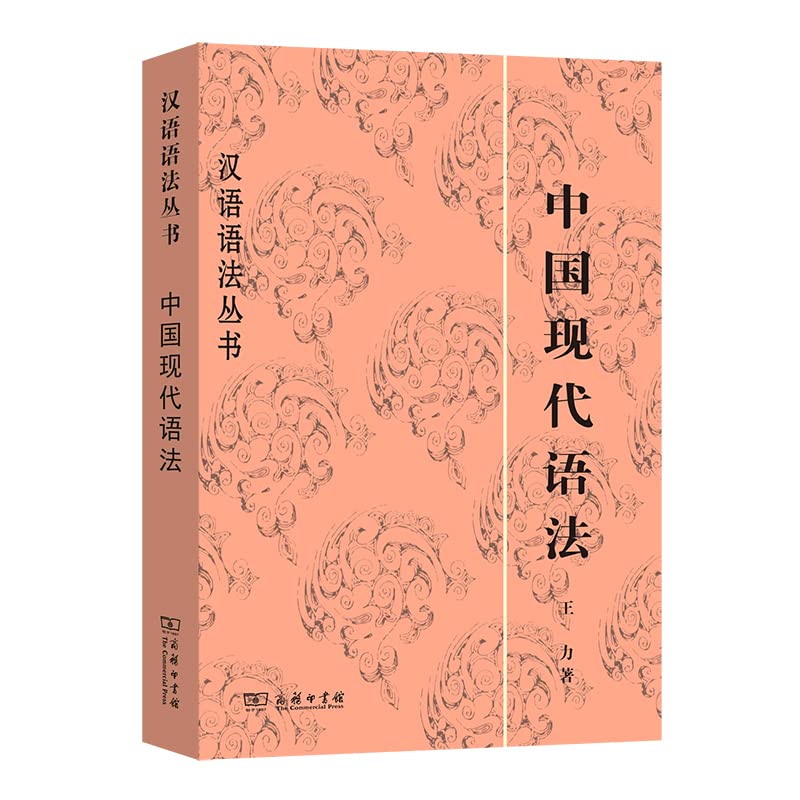
中国现代语法
ISBN: 7100032431
Found in 1 comment on Hacker News
We may earn a commission from purchases made through links on this page.
Not ready yet? Get weekly book picks.
Get the best books from Hacker News each week
Join 4,500+ subscribers and get the best books mentioned on Hacker News every Thursday.

- polysyllabic words (复音词)。Modern Chinese has many such coined words that either came from Japanese or from European languages. For instance, 台灯 == table lamp. Traditional Chinese wouldn't create words like that.
- Introduction of linking verb. Traditional Chinese, even 白话文,don't use linking verbs like "be", "get", and etc. For instance, in English one may say "his dream is to be a scientist", but in Chinese one would only say "他梦想成为科学家“, while it is now perfectly find to say "他的梦想是成为一名科学家“,due to the influence of English.
- Introduction of long sentences. Traditional Chinese does not use long sentences, let alone clauses. For instance, in the modern Chinese, people are used to "if .. then" type of sentences, yet it was not used in traditional Chinese.
- Punctuations. Traditional Chinese uses only period, if it uses punctuation at all. Yet now modern Chinese uses all kinds of English punctuations.
- New syntactical structures, even though they are eye sores to me. For instance, in English one can say "they made great contribution to the society", and in modern Chinese one can say "他们对社会做出的贡献很大“, even though a more traditional way is "他们对社会贡献很大“。BTW,even the latter is westernized, as in traditional Chinese we don't use propositions like "对“。
- New grammar. For instance, traditional Chinese does not have passive speech, but modern Chinese does.
- The modernization of Chinese syntax and semantics. Check this book: https://www.amazon.com/%E4%B8%AD%E5%9B%BD%E7%8E%B0%E4%BB%A3%.... The entire framework of studying Chinese comes from the English/European world.